When you need to guarantee water safety, understanding how to measure free, total, and residual chlorine is essential. Each type tells you something different about water quality and disinfection effectiveness. You might think simple test strips are enough Chloride test, but there are more precise options that could better suit your needs. Knowing which method fits your situation can make all the difference in maintaining safe, clean water.
:max_bytes(150000):strip_icc()/TestingPoolWater-40a3d4c689484d6bb1973f32346c8f07.jpg)
What Are Free, Total, and Residual Chlorine in Water?
What exactly do free, total, and residual chlorine mean when testing water? You’ll want to understand these terms to guarantee your water is safe while maintaining your independence from contaminants.
Free chlorine is the portion available to disinfect; it’s the active agent fighting bacteria and viruses.
Total chlorine combines free chlorine and combined chlorine https://laballiance.com.my/, the latter being chlorine that has already reacted with impurities.
Residual chlorine refers to the chlorine left in water after disinfection, providing ongoing protection as water moves through pipes or storage.
Knowing these distinctions helps you control water quality effectively, giving you the freedom to manage your environment without relying on guesswork. It’s about taking charge, ensuring your water is clean and safe at every stage.
How to Test Free Chlorine: Methods and Tips
Since free chlorine plays an essential role in disinfecting your water, testing it accurately guarantees your safety and peace of mind. You want a method that’s both reliable and easy to use, giving you control over your water quality without hassle.
Here are three ways to test free chlorine effectively:
- Test Strips – Dip and read quickly for an instant idea of chlorine levels. Perfect for freedom lovers who want convenience.
- Colorimetric Kits – Add reagents to your sample and compare the color change for precise results.
- Digital Meters – Use electronic devices for accurate and fast readings, ideal if you want to track levels regularly without guesswork.
Choose the method that fits your lifestyle, so you stay free and confident in your water’s cleanliness.
Techniques for Measuring Total Chlorine Levels
Although measuring free chlorine gives you insight into disinfectant levels, evaluating total chlorine is crucial to understand the combined presence of both free chlorine and chloramines in your water.
To measure total chlorine, you typically use methods like DPD (N,N-diethyl-p-phenylenediamine) colorimetric tests, which react with all chlorine species present, producing a measurable color change.
You can perform these tests with portable kits, digital meters, or automated analyzers, depending on your needs and freedom to choose.
These techniques guarantee you capture the full chlorine picture, essential for effective water treatment and safety.
By knowing total chlorine, you gain control over water quality, balancing disinfection with minimizing harmful chloramine levels.
This knowledge empowers you to maintain clean, safe water without relying on guesswork.
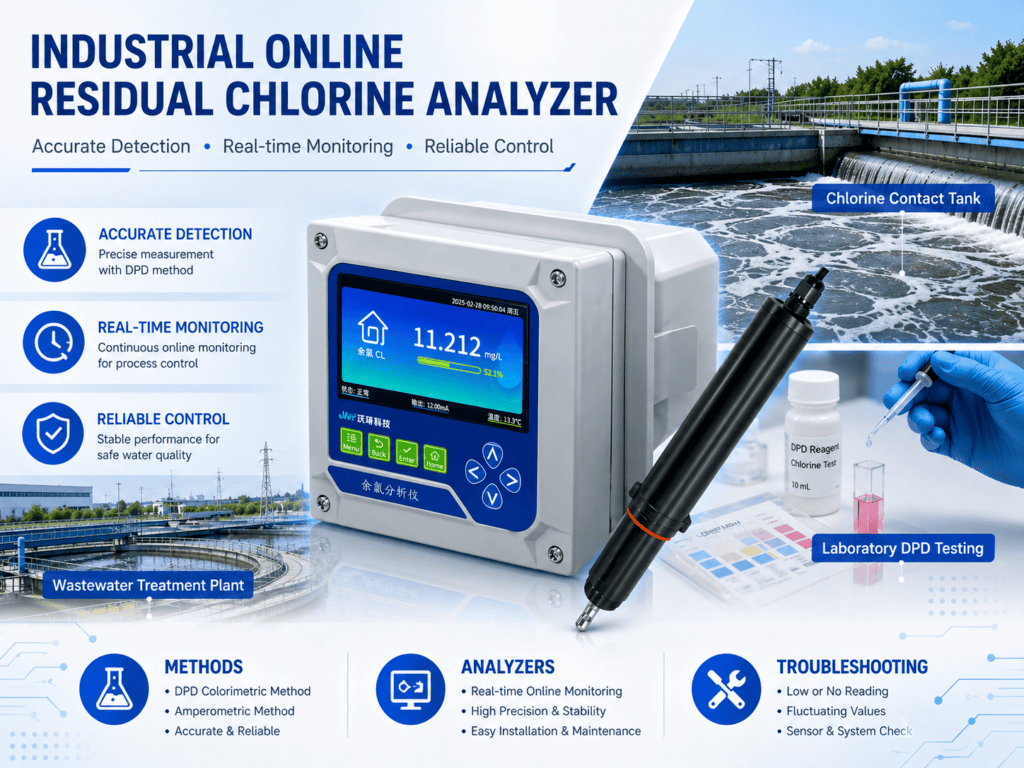
Testing Residual Chlorine for Safe Water
How do you guarantee the water you use every day remains safe and free from harmful contaminants? Testing residual chlorine is your key to ensuring ongoing water safety. Residual chlorine acts as a safeguard, continuously disinfecting water as it travels through pipes.
To maintain your freedom to use clean water without worry, focus on these steps:
- Measure residual chlorine regularly to confirm effective disinfection.
- Use reliable test kits that provide quick, accurate results for timely action.
- Adjust chlorine levels as needed to balance safety and water quality without over-chlorination.
How to Choose the Right Chlorine Test Method
When selecting a chlorine test method, you’ll want to contemplate factors like accuracy, ease of use, and the specific needs of your water system. Consider whether you need to measure free, total, or residual chlorine, as different tests target these forms.
If you value quick results and simplicity, colorimetric test strips or portable kits might suit you best. For more precise readings, especially in larger systems, digital meters or titration methods offer reliability.
Also, think about your testing frequency and budget—some methods require consumables or calibration, while others are more straightforward.
Conclusion
You’ll want to pick the right chlorine test method based on your needs—whether it’s quick strips, detailed colorimetric kits, or digital meters. Testing free chlorine helps you check disinfection strength, while total chlorine tests reveal combined forms like chloramines. Don’t forget residual chlorine testing to guarantee water stays safe during distribution. By choosing the best approach for your system size and accuracy needs, you’ll keep water quality under control and protect health effectively.

Leave a Reply